Premium Guitars

L'ANALYSE DES PRIX

Guitar Market Intelligence

Precision analytics on guitar pricing trends across premium and boutique brands

Explore Trends

Recently Added Brands

Explore our latest guitar brand price guides. Stay updated with comprehensive market analysis, pricing trends, and buying guides for these newly added brands.

Squier guitars
New

Squier

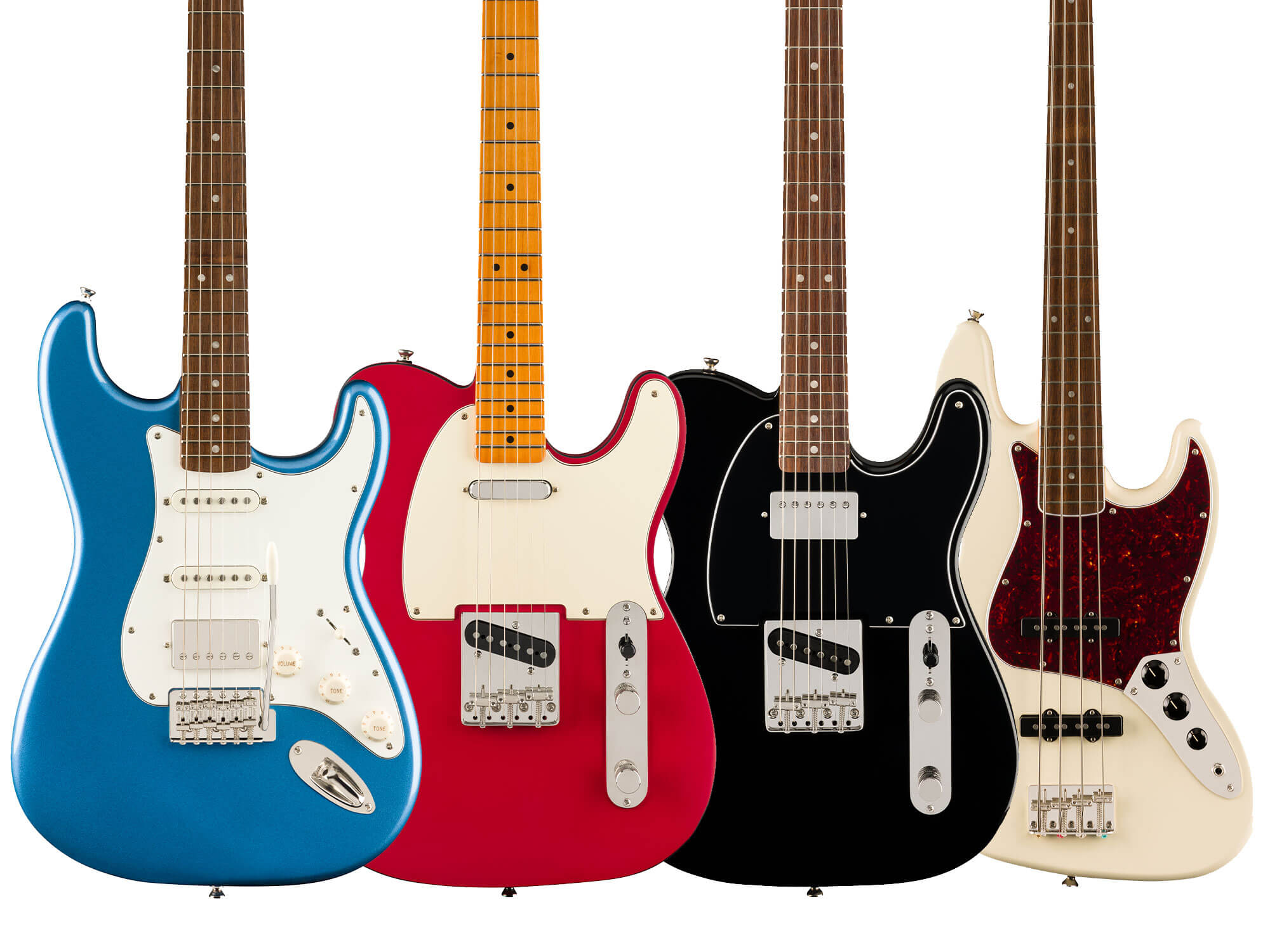
Squier was established by Fender in 1982 to produce affordable versions of classic Fender guitars. The brand originated from the V.C. Squier Company, a string manufacturer founded in 1890 and acquired by Fender in 1965. The initial Japanese-made JV series (1982-1984) became legendary for their quality, closely matching American Fenders. Today, Squier produces guitars in Indonesia and China across multiple series—from the entry-level Bullet to the acclaimed Classic Vibe—offering authentic Fender designs to players of all budgets.

Avg. Price$280
Listings5,500
Trend+3%
View Price Guide
Seagull guitars
New

Seagull

Seagull was founded in 1982 by Robert Godin in the village of La Patrie, Quebec, Canada. As a sub-brand of Godin Guitars, Seagull's mission was to bring the essential features of high-quality handcrafted guitars—solid tops, refined finishes, and excellent playability—to working musicians at accessible prices. All Seagull guitars are proudly made in Canada using sustainably sourced local woods. The brand is known for innovations like the straight-pull headstock and compound-curve top design, delivering exceptional value and the distinctive warm Seagull tone.

Avg. Price$480
Listings1,600
Trend+3%
View Price Guide
Rickenbacker guitars
New

Rickenbacker

Rickenbacker was founded in 1931 by Adolph Rickenbacker and George Beauchamp in Los Angeles, California, creating the world's first commercially successful electric guitar—the 'Frying Pan.' The company revolutionized music again in the 1960s when John Lennon, George Harrison, and Paul McCartney adopted Rickenbacker instruments, defining the British Invasion sound. Still handcrafted in Santa Ana, California, Rickenbacker maintains limited production with legendary quality, producing instruments famous for their distinctive jangle, chime, and the iconic 12-string sound that shaped rock history.

Avg. Price$2,200
Listings1,800
Trend+5%
View Price Guide
Takamine guitars
New

Takamine

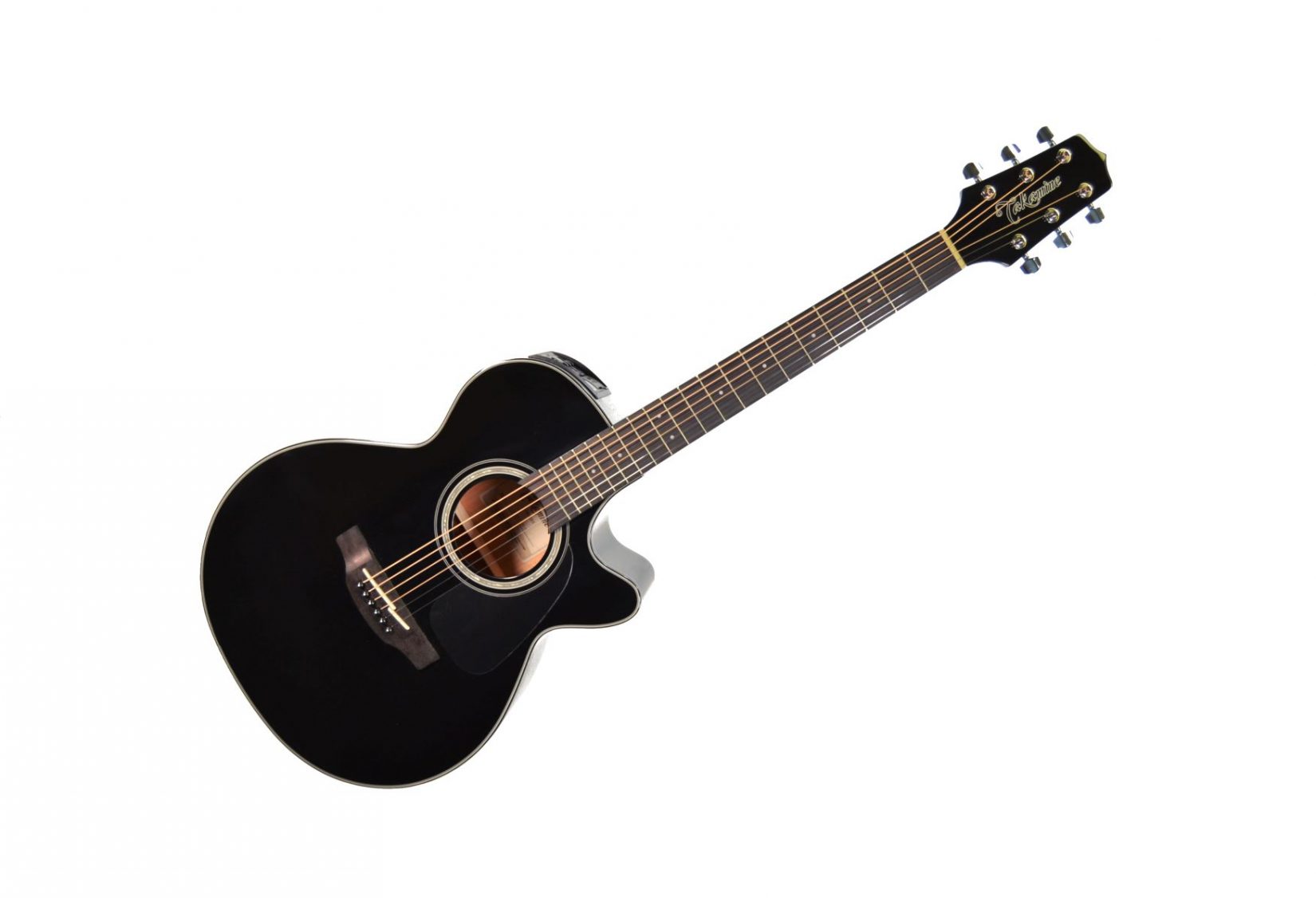
Takamine was established in 1962 in Sakashita, Japan, at the foot of Mount Takamine, evolving from a small family workshop founded in 1959. Under the leadership of luthier Mass Hirade, who joined in 1968 and became president in 1975, Takamine pioneered the modern acoustic-electric guitar with their revolutionary Palathetic™ pickup in 1978. Known for exceptional stage performance and reliability, Takamine has been the choice of touring professionals from Bruce Springsteen to Glenn Frey. The brand continues to innovate with technologies like the Cool Tube® preamp while maintaining Japanese craftsmanship.

Avg. Price$620
Listings2,800
Trend+3%
View Price Guide
Ovation guitars
New

Ovation

Ovation was founded in 1966 by Charles Kaman, an aerospace engineer and helicopter pioneer, in New Hartford, Connecticut. Applying aerospace technology to guitar design, Kaman developed the revolutionary Lyrachord composite roundback body that became Ovation's signature. The brand pioneered the acoustic-electric guitar with their innovative piezo pickup system, making them the choice of touring professionals from Glen Campbell to Melissa Etheridge. After ownership by Fender (2008-2015) and Drum Workshop (2015-2020), Ovation is now owned by GEWA Music and continues producing guitars in Connecticut.

Avg. Price$580
Listings2,400
Trend+2%
View Price Guide
Guild guitars
New

Guild

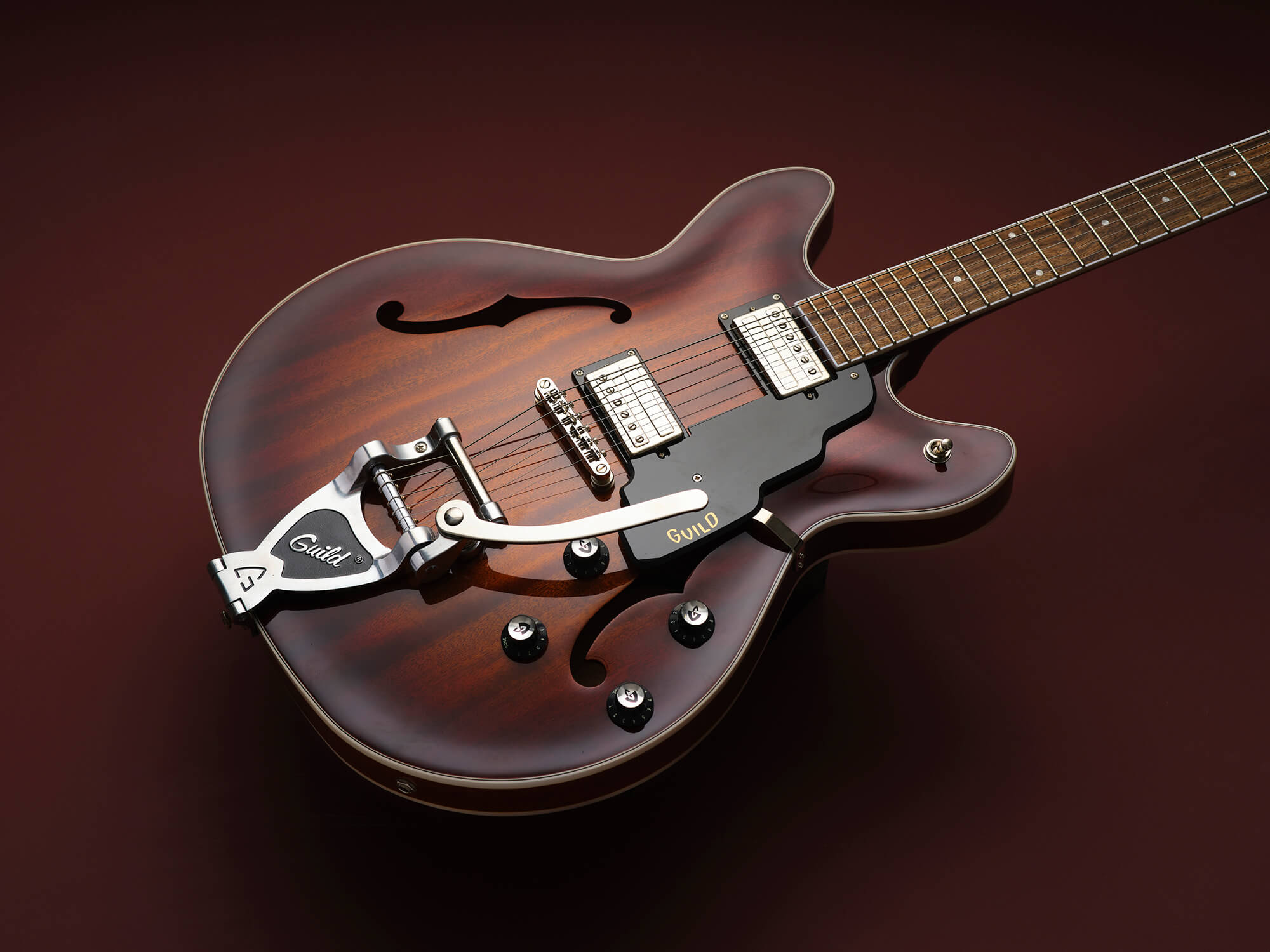
Guild was founded in 1952 by Alfred Dronge and George Mann in Manhattan, New York, assembling a team of skilled craftsmen including former Epiphone employees. Initially focused on archtop jazz guitars, Guild evolved to produce some of the finest acoustic guitars in American history, with their dreadnoughts and jumbos rivaling Martin and Gibson. After production in Hoboken (1956-1966) and Westerly, Rhode Island (1966-2001), Guild was acquired by Fender in 1995 and later by Córdoba Music Group in 2014. Today, Guild continues its legacy with USA-made acoustics and the Newark St. Collection electrics.

Avg. Price$1,200
Listings2,200
Trend+4%
View Price Guide
Gretsch guitars
New

Gretsch

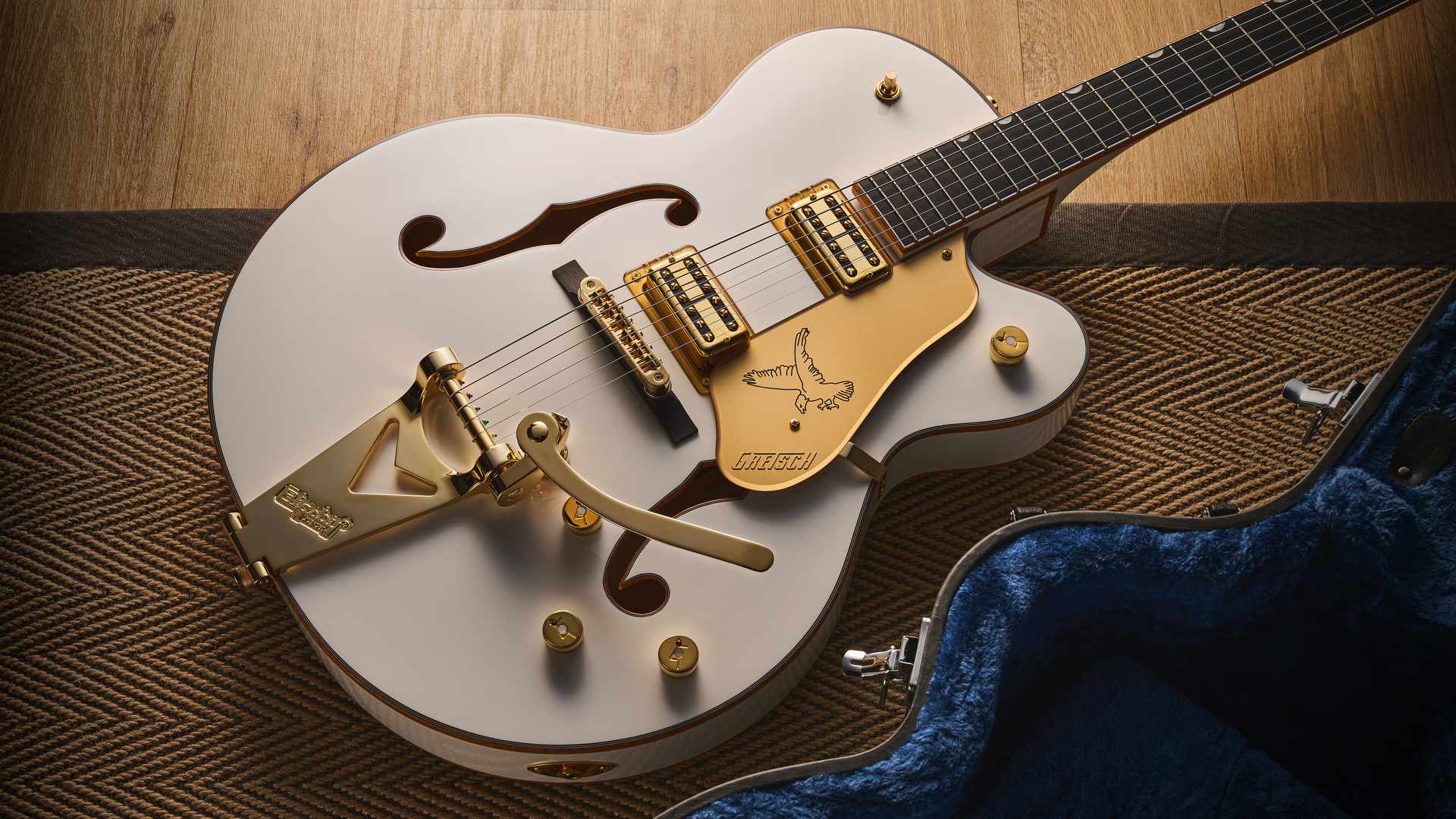
Gretsch was founded in 1883 by Friedrich Gretsch, a German immigrant, in Brooklyn, New York. Initially producing banjos, tambourines, and drums, Gretsch introduced its first guitars in 1926 and rose to prominence in the 1950s with iconic models like the White Falcon and 6120 Chet Atkins. After a period under Baldwin ownership (1967-1985), the Gretsch family reacquired the brand. In 2002, Gretsch partnered with Fender for manufacturing and distribution. Today, Gretsch offers Professional Collection (Japan), Electromatic, and Streamliner series, plus USA Custom Shop instruments, maintaining its legendary status in rockabilly, country, and rock.

Avg. Price$1,450
Listings3,200
Trend+5%
View Price Guide
Alvarez guitars
New

Alvarez

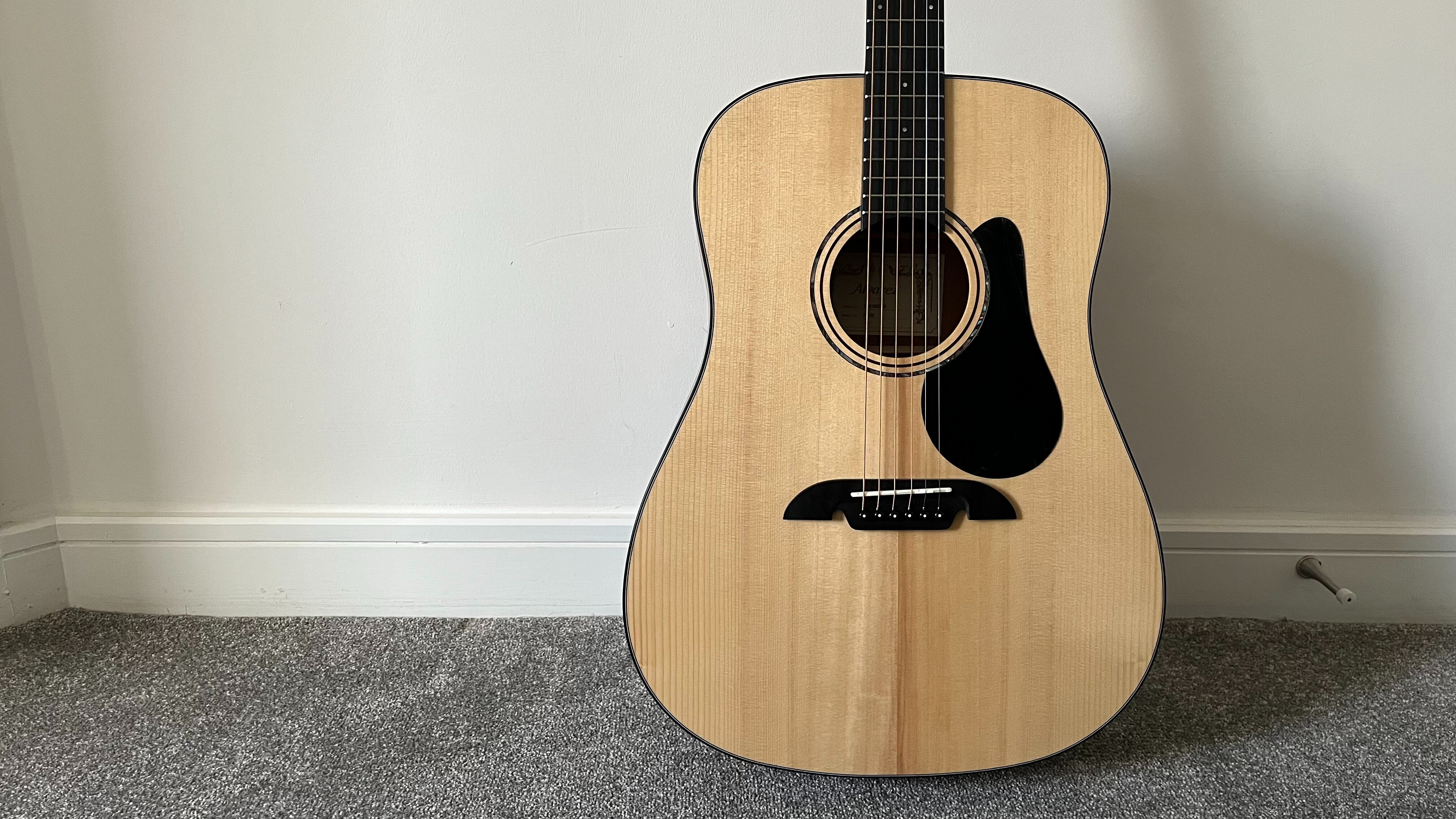
Alvarez was established in 1965 by St. Louis Music in Missouri, USA. In the late 1960s, founder Gene Kornblum partnered with Japanese master luthier Kazuo Yairi to create the legendary Alvarez-Yairi series—handcrafted guitars still produced in Kani, Japan. This collaboration between American design and Japanese craftsmanship has made Alvarez a trusted name for acoustic guitars, endorsed by artists from Jerry Garcia to Carlos Santana. Today, Alvarez offers instruments from entry-level Regent series to handmade Yairi masterpieces, providing exceptional value at every price point.

Avg. Price$650
Listings1,600
Trend+3%
View Price Guide

Market Insights

Price Trend Analysis

The premium guitar market has shown consistent growth over the past five years, with an average annual increase of 3.7% across all major brands.

  • Vintage models from the 1950s-1970s continue to appreciate at 8-12% annually
  • Limited editions and signature models show 15% higher appreciation rates
  • Entry-level models remain stable with minimal price fluctuations
  • Mid-tier imported models show slight depreciation of 1-2% annually

Investment Potential

Based on historical data and current market conditions, certain guitar categories present excellent investment opportunities.

American-made Vintage Reissues

★★★★☆

Stable appreciation with 6-8% annual returns and high liquidity

Limited Edition Custom Shop

★★★★★

Excellent growth potential with 10-15% appreciation after initial depreciation

Boutique Handcrafted Instruments

★★★★☆

High initial premium but strong value retention and collector appeal

About Guitar Price Guide

Research guitar prices with clarity and confidence

We track pricing trends, value retention and model lineups across leading brands like Fender, Gibson, PRS, Taylor, Martin and Ibanez—so you can make smarter buying and selling decisions.

Brand pages summarize market ranges, condition-based valuations and secondary market dynamics. Our long-form guides go deeper with model comparisons and practical buying tips.

Quick Answers (FAQ)

What is a normal price for a guitar?

Beginner acoustics/electrics: $150–$400. Mid-tier: $500–$1,200. Premium/USA or custom shop instruments can range $1,500–$5,000+ depending on series and specs.

What is the price of a normal guitar?

For a solid beginner instrument you can keep for years, expect around $300–$600. Remember to budget for a setup, gig bag/case, and basic accessories.

What is the best electric guitar under $1000?

Great choices include PRS SE Custom 24, Fender Player Strat/Tele, Yamaha Revstar, and Epiphone Les Paul Standard. The best pick depends on neck feel, pickups, and genre.

Which is the No. 1 guitar brand?

Fender and Gibson dominate many electric categories; Taylor and Martin lead acoustics. The “best” brand varies by model family, budget, and playing style.

Is it better to buy new or used?

Used often offers better value if condition is verified. New provides warranty and consistent quality. Always factor setup and potential maintenance into total cost.

How much should I spend as a beginner?

A comfortable range is $250–$600 for a playable guitar that will last through the learning phase. Prioritize comfort, setup quality, and staying in tune.

Do guitar size and neck profile matter?

Yes. Smaller bodies and slimmer necks are often easier for beginners and smaller hands. Try several neck profiles (C, D, V) to see what feels natural.

How often should I change strings?

For regular practice, every 1–3 months, or sooner if tone dulls, strings corrode, or intonation drifts. Wipe strings after playing to extend life.